Best Orthopedic Dog Beds of 2026: Thick Foam for Stiff Joints
Big Barker's 7 inch bed leads, with a 10-year no-flatten warranty and a university study its maker cites. But the vets' first advice for arthritis is a slim body weight.

30 guides in total.
30 guides· Page 2 of 2
Big Barker's 7 inch bed leads, with a 10-year no-flatten warranty and a university study its maker cites. But the vets' first advice for arthritis is a slim body weight.

For a puppy that will top 55 to 70 lb, choose a food whose statement covers growth of large size dogs. Hill's Science Diet Puppy Large Breed leads on published data.
AAFCO has no senior standard, so 7+ foods are adult foods built to each maker's idea of aging. Hill's Science Diet Adult 7+ leads on published data and calorie control.
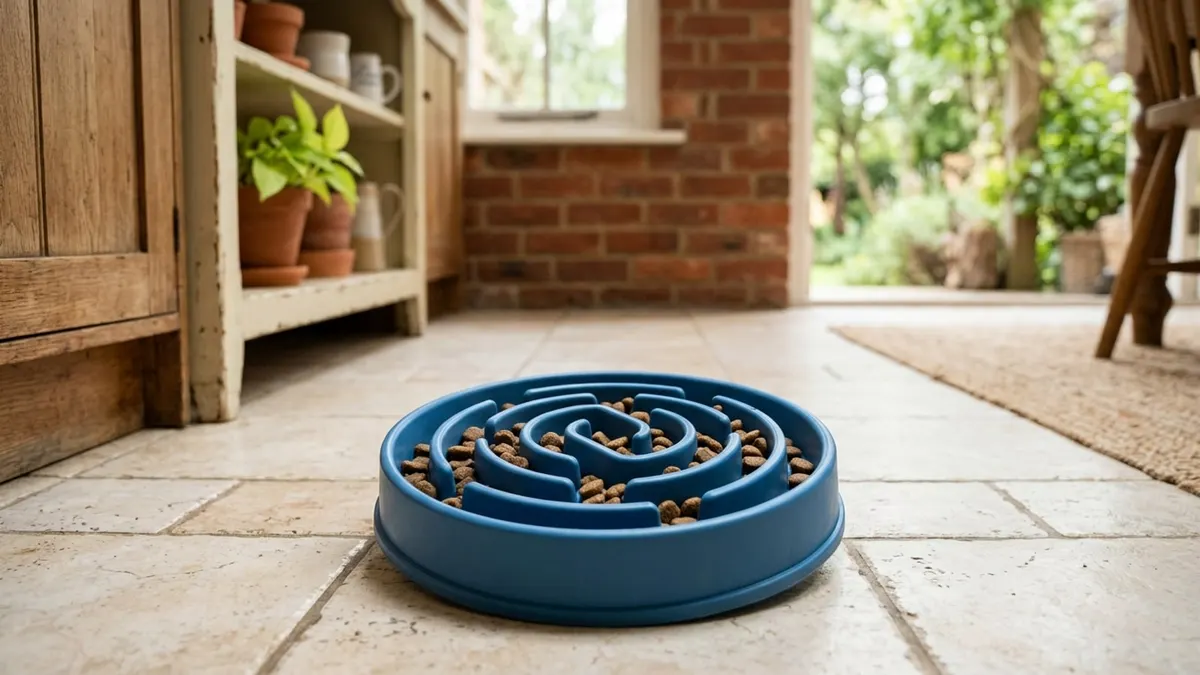
Outward Hound's Fun Feeder leads, in a 2 cup bowl for small to medium dogs and a 4 cup bowl for big ones. A slow feeder slows a meal; no source we read shows it prevents bloat.
Small dogs burn more calories per pound than big ones, so small breed foods are calorie dense and portions are tiny. Hill's Science Diet Adult Small & Mini leads.
Purina Pro Plan's Classic Chicken & Rice pate leads on calories per can; Hill's Beef & Barley Entree publishes the fullest nutrient data.
Enter your dog's length and standing height. The calculator adds room and names the smallest MidWest iCrate whose listed size clears both.
Enter your dog's weight, life stage and the calories per cup on the bag. The calculator gives a daily starting figure, cups a day and a treat allowance.
The only reliable test for a dog food allergy is an elimination trial of up to 3 months on a food the dog has never eaten, planned with your vet. Store foods rarely qualify.
Topicals and collars are EPA-registered pesticides; products absorbed into the bloodstream fall to the FDA. Read the label for species and weight, every time.
The FDA linked many reports of canine DCM to foods heavy in peas and lentils, then stopped public updates in December 2022 without finding a cause or asking for a recall.
Start with the nutritional adequacy statement, then the calories, then who made the food. The ingredient list, which most owners read first, says the least.